
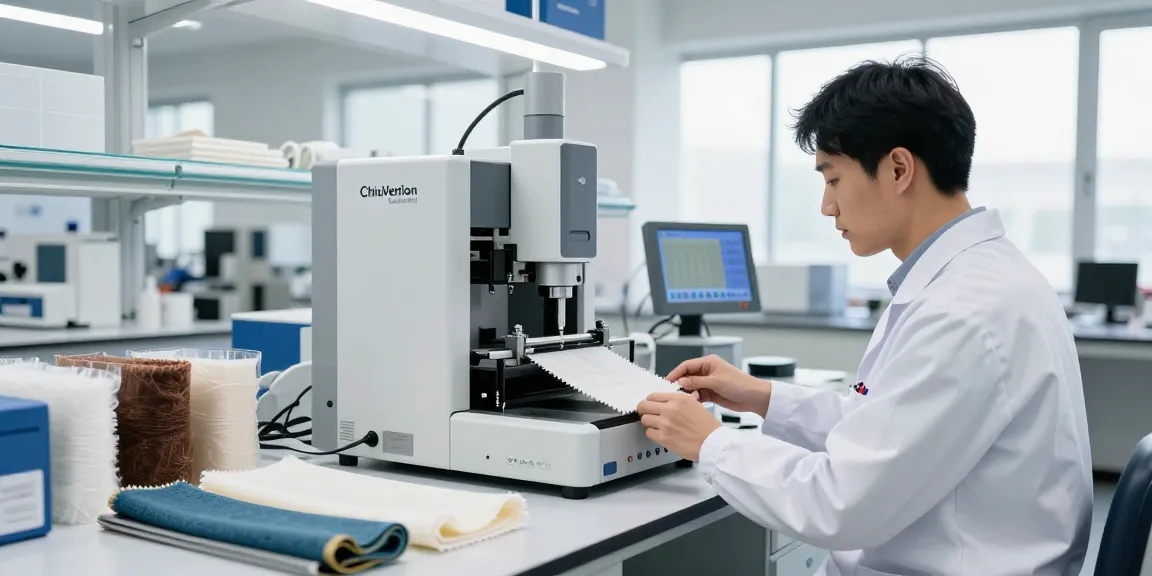
Understanding Tearing Strength Testers
The tearing strength of materials, especially fabrics, plays a critical role in various industries, including textiles, packaging, and manufacturing. Tearing strength testers are specialized devices designed to quantify the force required to propagate a tear in a material. Among the various types available, the tearing strength tester is widely recognized for its precision and reliability. In this article, we will delve deeper into the importance of tearing strength, the science behind tearing tests, and how modern technology has enhanced testing processes.
What is a Tearing Strength Tester?
A tearing strength tester is an essential tool used for evaluating the tear resistance of various materials, including textiles, plastic films, and thick paper. The test aims to determine the force needed to continue a tear in a sample, which is crucial for industries that require materials to withstand mechanical stress. In essence, the device simulates real-world conditions in which materials may experience tearing, thus providing meaningful data for quality assurance.
Importance of Tearing Strength in Various Industries
Tearing strength is a vital parameter in several industries, including:
- Textiles: In the textile industry, fabrics must demonstrate sufficient tear resistance to ensure durability and longevity in products like clothing and upholstery.
- Packaging: For packaging materials, particularly those made from plastic films or laminated paper, adequate tearing strength ensures that products remain protected during transport and handling.
- Manufacturing: In manufacturing, components made from materials with low tearing strength may lead to product failure, resulting in wasted resources and potential safety hazards.
Key Components of Elmendorf Tearing Testers
Elmendorf tearing testers are designed with several critical components to ensure accurate and reliable measurements:
- Pendulum Mechanism: A pendulum swings from a specific height to produce the force necessary to initiate a tear in the sample material.
- Sample Clamping System: The device features clamps that securely hold the sample in place, preventing slippage during testing.
- Digital Display: Modern testers come equipped with a digital interface that displays real-time results and enables easy reading and analysis.
The Science Behind Tearing Tests
Principles of the Elmendorf Tearing Test
The Elmendorf tearing test operates on the principle of converting potential energy into kinetic energy. The pendulum, upon release, swings down and tears the fabric along a pre-cut notch. The energy lost in this process is measured, representing the tear strength of the material. This method is not only effective but also complies with international standards such as ISO 13937-1 and ASTM D1424.
How to Prepare Samples for Accurate Testing
Preparation of samples is crucial for obtaining reliable results. It involves:
- Cutting the material into standard sizes, typically rectangle-shaped with a defined notch at the center.
- Ensuring that the edges are neat and that the notch is precisely cut to the specified dimensions.
- Properly conditioning the samples in a controlled environment to account for any moisture or temperature variations.
Understanding Measurement Units and Accuracy
Tear strength is usually expressed in units of force such as Newtons (N) or pounds (lbs). High-quality tear testers, like those from ChiuVention, can deliver results with an accuracy of ±0.2%, ensuring that results are consistent and reliable for quality control purposes.
Operational Features of ElmenGuide Tearing Strength Tester
Automation and Its Benefits in Testing
The ElmenGuide tearing strength tester is fully automated, which significantly enhances the efficiency of testing processes. Automation reduces human error and ensures that tests are performed consistently, allowing for quicker turnaround times in quality control labs. The system can automatically recognize the sample weight and adjust measurement ranges accordingly, making it user-friendly even for less experienced operators.
User-Friendly Interface Explained
Modern tearing strength testers come with intuitive interfaces that display results in a clear format. The dual-button activation setup prioritizes user safety while allowing operators to manage tests easily. This design minimizes the risk of injuries associated with the pendulum mechanism and provides a straightforward approach for new technicians to operate the tester with confidence.
IoT Integration and Data Management
The integration of IoT technology in tearing strength testers, such as the ElmenGuide, enables real-time data management. Operators can connect their testers to smartphones or PCs via the SmarTexLab App. This connectivity allows for seamless report uploads, live monitoring of test statuses, and easy sharing of results across departments, fostering better collaboration and efficiency.
Compliance and Standards for Tearing Strength Testing
International Testing Standards Explained
Compliance with international standards is critical for ensuring that testing processes are accepted globally. The Elmendorf tearing strength tester complies with various standards such as:
- ISO 13937-1
- ASTM D1424
- GB/T 3917.1
These standards ensure that the tests are consistent and meet the quality expectations of industries worldwide.
Certification and Quality Control Implications
Certification from recognized bodies is essential for companies looking to maintain high quality in their products. The results from tearing strength tests are used in quality assurance processes, helping manufacturers ensure their materials meet the required standards for durability and performance.
Differences Between Manual and Automated Testing
Manual tearing strength testers require operators to perform calculations and adjustments by hand, which can lead to potential errors and inconsistencies. In contrast, automated testers, such as the ElmenGuide, handle these tasks electronically, offering significant advantages in terms of accuracy and efficiency. This shift towards automation reflects broader trends in industry 4.0, where smart technology plays a pivotal role in enhancing operational effectiveness.
Future Trends in Textile Testing Technologies
Advancements in Tearing Strength Testing Equipment
As the textile and materials industries evolve, so too does the technology behind tearing strength testers. Innovations such as AI-driven data analysis and enhanced IoT integration will drive efficiency and accuracy, leading to smarter quality control solutions. With advancements in material science, the need for advanced testing solutions will only grow as manufacturers strive to meet ever-increasing performance standards.
Predicting Changes in Industry Standards by 2026
Experts predict that standards for tearing strength testing will become even more rigorous by 2026, focusing on sustainability and performance metrics alongside traditional parameters. This will push manufacturers to not only meet new quality benchmarks but also to adopt testing methods that are environmentally friendly.
Emerging Technologies Impacting Fabric Testing Processes
Emerging technologies such as machine learning and big data analytics are set to revolutionize fabric testing processes. These tools will aid in predictive analysis, allowing manufacturers to foresee potential issues and prevent defects before they reach the consumer. Enhanced data management capabilities will also streamline compliance with international quality standards.
What should be considered when selecting testing equipment?
When selecting a tearing strength tester, considerations should include:
- Compliance with international testing standards.
- Automation features for improved efficiency.
- User interface and ease of operation.
- Data management capabilities, especially in terms of IoT integration.
How to maintain accuracy and consistency in testing?
To ensure accuracy and consistency in testing, it is crucial to:
- Regularly calibrate testing equipment according to manufacturer guidelines.
- Train staff thoroughly on testing protocols and sample preparation.
- Use standardized materials for testing to avoid variability in results.
What are the common materials tested with tearing strength testers?
Tearing strength testers are commonly used to evaluate various materials, such as:
- Textiles, including cotton, polyester, and nylon fabrics.
- Plastic films used in packaging.
- Thick papers and cardboard materials.
- Laminated composites for packaging and industrial uses.
How to effectively integrate a tearing strength tester in a quality control lab?
Integrating a tearing strength tester into a quality control lab involves:
- Establishing clear protocols for sample preparation and testing procedures.
- Training staff on the operational features of the testing equipment.
- Incorporating digital tools for data management and analysis to enhance reporting accuracy.
What are the cost implications of advanced tearing strength testers?
While advanced tearing strength testers may have a higher initial investment, their benefits in terms of efficiency, accuracy, and compliance can lead to long-term cost savings. These instruments reduce the risk of product recalls, enhance product quality, and ultimately improve customer satisfaction, making them a worthwhile investment for companies focused on quality assurance.