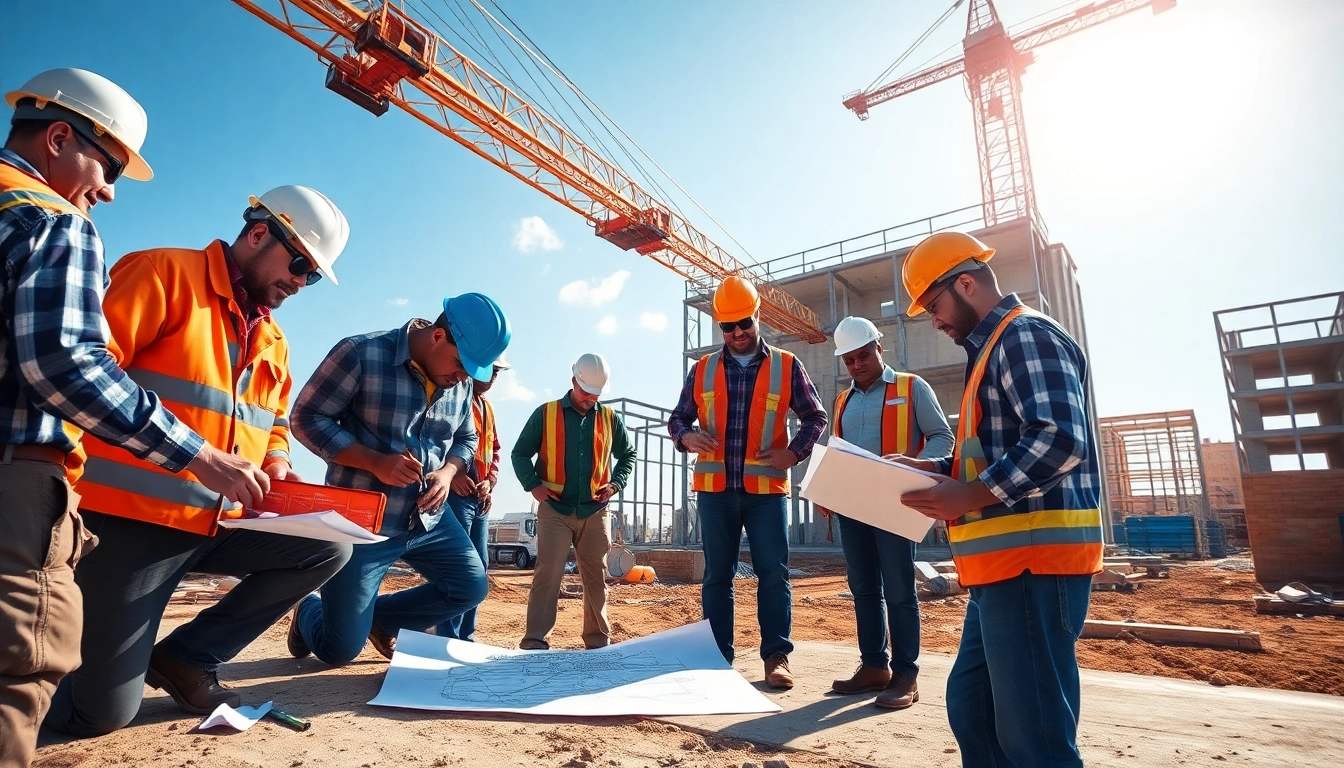

The Importance of Construction Advocacy in Modern Society
In an era where infrastructure development is at the forefront of public interest, construction advocacy plays a crucial role in shaping policy, promoting sustainable practices, and ensuring that the voice of various stakeholders is heard. This article delves deep into the significance of construction advocacy in modern society, exploring its definition, challenges, best practices, and its future trajectory.
Defining Construction Advocacy
Construction advocacy encompasses efforts focused on influencing public policies affecting the construction industry, promoting infrastructure projects, and addressing the concerns of various stakeholders involved in construction. It aims to create a favorable environment for developing, rehabilitating, and maintaining infrastructure by addressing regulatory issues, securing funding, and encouraging responsible practices.
Historical Context and Evolution
The historical context of construction advocacy dates back to the early 20th century when the rapid urbanization and industrialization demanded focused efforts to address construction-related challenges. Initially, advocacy was informal, driven by local community interests. Over time, formal organizations and coalitions emerged, uniting various stakeholders, including contractors, engineers, policymakers, and community groups, to promote key initiatives and legislation that benefit the industry.
Key Stakeholders in Construction Advocacy
Numerous stakeholders are pivotal in construction advocacy, including:
- Contractors and Builders: They provide expertise in execution and raise awareness of industry needs.
- Government Entities: Key decision-makers who establish policies and funding allocations for infrastructure projects.
- Community Organizations: Representing public interests, they advocate for sustainable and inclusive development.
- Professional Associations: They provide resources, training, and networking opportunities for construction professionals.
- Environmental Groups: Advocating for green construction practices and sustainability initiatives.
Challenges Facing Construction Advocacy Today
Regulatory Obstacles and Compliance Issues
The construction industry faces numerous regulatory challenges that can stifle progress. Complex compliance regulations vary not only by state but also by local jurisdictions, creating confusion and potential delays in project initiation. Advocates must navigate these intricate frameworks, working to simplify processes while maintaining safety and quality standards. To address these issues, advocacy groups often engage in dialogue with lawmakers to promote legislative changes that streamline the approval process.
Public Perception and Media Representation
Public perception plays a crucial role in shaping construction advocacy efforts. Often, construction projects face opposition due to fears of environmental degradation, displacement, and urban congestion. Media representation can amplify these concerns, leading to vocal public resistance. Effective advocacy requires a strategic communication approach, focusing on education and transparency to foster trust between construction stakeholders and communities. Engaging storytelling and showcasing the benefits of infrastructure projects can mitigate negative perceptions.
Economic Factors Impacting Construction Advocacy
Economic conditions significantly impact construction advocacy. During recessions, funding for infrastructure projects may dwindle as governments prioritize other needs. Conversely, during economic booms, there can be a push for rapid development without adequate planning. Advocates must be adept at aligning their goals with prevailing economic sentiments, leveraging data to advocate for necessary investments in infrastructure that stimulate job creation and long-term growth.
Best Practices in Construction Advocacy
Effective Communication Strategies
To successfully advance advocacy goals, effective communication is critical. Clear, concise messages tailored to each stakeholder group enhance understanding and support. Utilizing diverse communication channels, from traditional media to social platforms, enables advocates to reach a broader audience. Regular updates and progress reports also help maintain transparency and build ongoing support.
Building Alliances and Partnerships
Collaboration is key to successful construction advocacy. Building alliances with diverse partners expands resources and influence. Advocacy groups often collaborate with educational institutions, NGOs, and industry experts to pool knowledge and expertise, leading to more robust advocacy initiatives. Engaging community members early in the process fosters a sense of ownership and increases the likelihood of project acceptance.
Leveraging Technology for Advocacy
Technology serves as a powerful tool in construction advocacy efforts. Utilizing data analytics allows advocates to provide evidence-based arguments and track demonstrated impacts of initiatives. Social media platforms enable a rapid-response mechanism for engaging with public concerns and media narratives. Virtual tools, such as webinars and live streams, facilitate discussions and outreach without the geographical barriers previously faced.
Case Studies of Successful Construction Advocacy
Notable Campaigns and Their Impact
Numerous construction advocacy campaigns have transformed public perception and influenced policy. For instance, a coalition of stakeholders in a metropolitan area successfully lobbied for a public transportation initiative that expanded access to underserved communities. By showcasing the social and economic benefits through targeted advocacy, the coalition secured funding and public support, ultimately improving the lives of thousands.
Lessons Learned from Advocacy Efforts
Every successful advocacy campaign provides valuable lessons. Effective stakeholder engagement is critical, as understanding diverse perspectives allows for more comprehensive advocacy strategies. Additionally, perseverance in the face of opposition can lead to eventual breakthroughs. Advocacy requires patience and the ability to adapt strategies based on feedback and changing circumstances.
Future of Construction Advocacy Based on Trends
As the construction industry evolves, so too must advocacy strategies. Emphasis on sustainability and eco-friendly practices is likely to grow, necessitating advocacy that prioritizes green building techniques. Additionally, trends toward smart cities and digital construction will require advocates to be well-versed in technology and innovation. Future advocacy efforts will need to focus on integrating these trends into public policy to enhance infrastructure resilience and functionality.
Measuring the Impact of Construction Advocacy
Key Performance Indicators to Consider
Measuring the impact of advocacy is vital for demonstrating effectiveness and securing ongoing support. Essential Key Performance Indicators (KPIs) may include the number of projects initiated, funding secured, changes in public policy, stakeholder engagement metrics, and community sentiment analysis. Establishing clear metrics allows for data-driven decision-making and refinement of advocacy strategies.
Calculating Return on Investment for Advocacy Efforts
Calculating the Return on Investment (ROI) for advocacy is critical. This involves assessing the economic benefits of projects initiated through advocacy efforts against the costs incurred. Metrics may include job creation, economic growth, and improved community services. A thorough analysis helps advocate the continuation and expansion of advocacy initiatives.
Soliciting Feedback and Adapting Strategies
Regular feedback loops are essential for refining advocacy strategies. Stakeholders should be encouraged to share their insights and experiences openly. Engaging with various groups for feedback allows advocates to adapt their approaches and address community concerns proactively. This adaptability enhances the credibility of advocacy efforts and strengthens stakeholder relations.
Frequently Asked Questions
What is construction advocacy?
Construction advocacy involves efforts to influence policies, promote infrastructure development, and ensure stakeholder interests are represented in the construction industry.
Who are the key stakeholders in construction advocacy?
Key stakeholders include contractors, government entities, community organizations, professional associations, and environmental groups, each playing a distinct role in advocacy efforts.
What challenges does construction advocacy face today?
Challenges include regulatory obstacles, public perception issues, and economic factors that can hinder progress and acceptance of construction projects.
How can technology aid construction advocacy?
Technology can enhance advocacy by providing data analytics, facilitating communication through social media, and enabling virtual engagement to reach wider audiences.
What metrics are important for assessing construction advocacy impact?
Key metrics include the number of projects initiated, funding secured, policy changes made, stakeholder engagement, and community sentiment analysis to evaluate effectiveness.