Choosing the Right Light Fixtures for Hallway
When it comes to illuminating hallways, choosing the right fixtures can profoundly affect both safety and aesthetic appeal. Hallways are often neglected spaces in a home, yet they play a crucial role in guiding people through your living environment. Whether you are looking to create a welcoming atmosphere or simply illuminate the space for practicality, light fixtures for hallway need to be selected with care. This guide will help you understand your hallway lighting needs and explore various fixture types, styles, and essential tips for installation and maintenance.
Understanding Hallway Lighting Needs
Hallways often serve as transitional spaces connecting different rooms, necessitating a thoughtful approach to lighting. Generally, hallway lighting should strike a balance between brightness and ambiance. Understanding these needs involves considering factors like:
- Size of the Hallway: Longer hallways may require more illumination or multiple fixtures to effectively light the path.
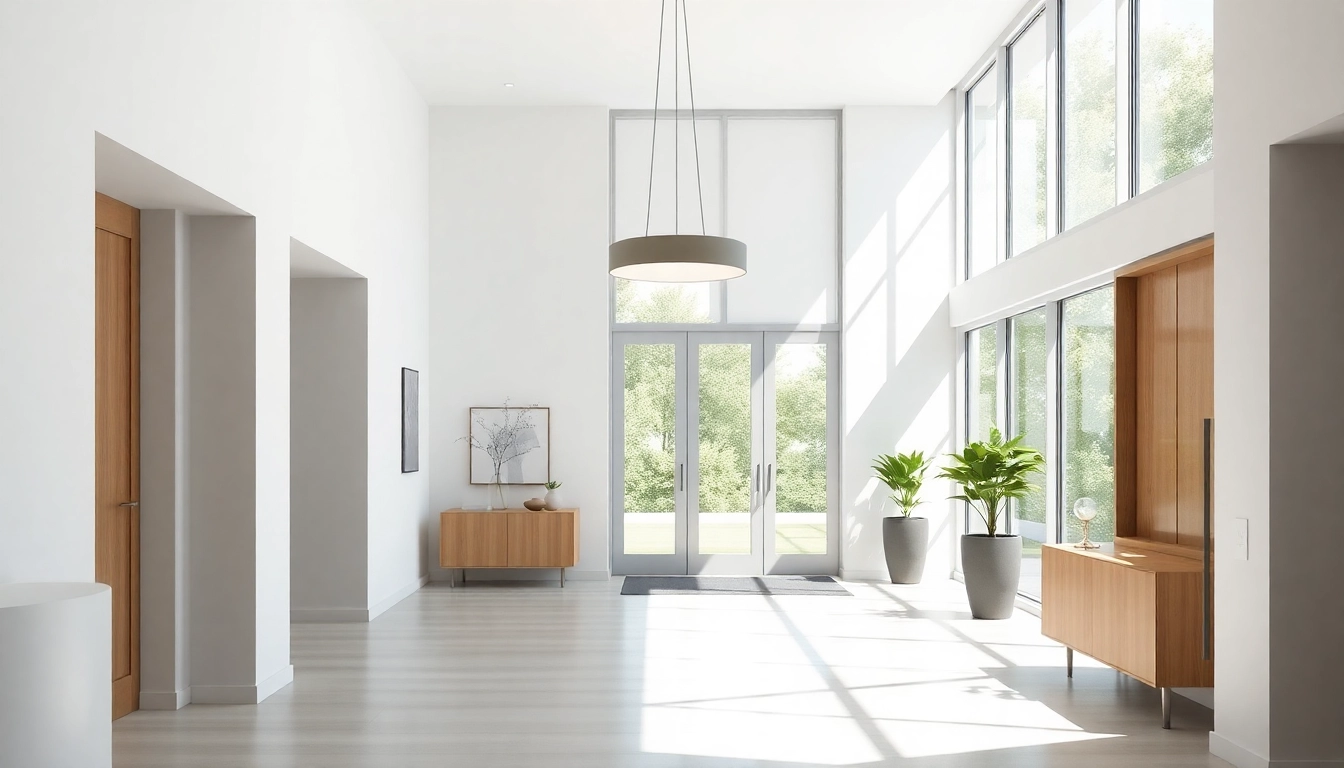
- Ceiling Height: High ceilings may demand chandeliers or pendant lights, while lower ceilings benefit from flush mounts.
- Usage Patterns: Consider how often the hallway is used; heavy traffic areas should be brighter for safety.
Types of Light Fixtures for Hallway
Choosing the right type of fixture is critical for creating an ideal lighting scenario. Various types of light fixtures for hallway cater to differing styles and functional demands:
- Flush Mounts: Perfect for low ceilings, they offer a sleek, unobtrusive option.
- Pendant Lights: These can add striking visual appeal while providing much-needed illumination.
- Sconces: Wall-mounted fixtures that create charm and enhance design without taking up space on the floor.
- Track Lighting: Ideal for flexible illumination, allowing you to direct light where it’s most needed.
Measuring and Planning Fixture Placement
Before you dive into selecting fixtures, proper measurements and planning are essential. Start by measuring the length and width of your hallway, noting existing features like doors and windows. Here’s a step-by-step method to plan fixture placement:
- Determine the total wattage your fixtures should provide.
- Space your fixtures evenly to avoid dark patches, typically 6 to 8 feet apart.
- Consider the visual element—align fixtures with architectural features or artwork.
Popular Styles of Light Fixtures for Hallway
Modern and Contemporary Designs
Choosing modern fixtures often means sleek lines, minimalistic features, and innovative materials. These fixtures typically incorporate LED technology, which promotes energy efficiency while enhancing the ambiance through soft, diffused light. Think about geometric shapes and polished finishes to uplift contemporary interiors.
Classic and Traditional Appearances
Classic fixtures add sophistication, with ornate details and traditional finishes like bronze or brass. Chandeliers with intricate designs can serve as statement pieces, while wall-mounted sconces can complement the overall aesthetic. Their timeless charm ensures they remain versatile across various interior styles.
Industrial and Rustic Inspirations
If your home embraces an industrial vibe, consider fixtures that use raw materials such as metals and reclaimed wood. Edison bulb lighting and exposed wiring can create an edgy look while providing adequate illumination. Rustic fixtures featuring farmhouse or vintage trends can also add character to the space.
Improving Ambiance with Light Fixtures for Hallway
Layering Light for a Welcoming Feel
Layering light is the strategy of using multiple types of lighting to create an inviting atmosphere. In hallways, this can mean combining ambient, task, and accent lighting:
- Ambient Lighting: Provides overall illumination. Flush mounts can work well here.
- Task Lighting: Focused light to illuminate specific areas, such as artwork.
- Accent Lighting: Highlights architectural features or decor items, enhancing visual interest.
Color Temperature and Mood Creation
The color temperature of your light fixtures greatly influences the mood of a hallway. A warm, soft light (around 2700K to 3000K) promotes a cozy, inviting environment, which can be particularly welcoming for guests. On the other hand, cooler temperatures (around 4000K to 5000K) are great for a clean and energized space, ideal in hallways that double as functional work areas.
Enhancing Architectural Features
Light fixtures can be strategically placed to enhance architectural features in a hallway. Use sconces to illuminate textured walls or pocket doors, creating depth and dimension. Recessed lighting can highlight unique architectural lines and provide clean, unobtrusive illumination.
Installation Tips for Light Fixtures in Hallway
Tools and Safety Precautions
Before installing any light fixture, ensure you have the necessary tools. Common tools include a drill, screwdriver, wire nuts, and a voltage tester. Always turn off the power to the circuit before beginning any electrical work to avoid hazards. Use insulated tools and potentially wear safety goggles for added protection.
Step-by-Step Installation Process
To successfully install light fixtures in your hallway, follow these steps:
- Turn off power at the breaker.
- Remove the old fixture, disconnecting the wires using wire nuts.
- Follow the manufacturer’s instructions to connect the new fixture’s wires.
- Secure the fixture to the mounting bracket and restore power.
- Test the fixture to ensure proper functionality.
Common Mistakes to Avoid
Many homeowners encounter pitfalls during fixture installation, leading to issues later on. Common mistakes include:
- Inadequate Planning: Not measuring space or understanding fixture sizes can lead to mismatches.
- Ignoring Safety Protocols: Failing to turn off power before starting can result in accidents.
- Misalignments: Fixtures not aligned with the room’s flow can feel jarring or awkward.
Maintaining Your Light Fixtures for Hallway
Regular Cleaning Techniques
To maintain the aesthetic and functional performance of light fixtures for hallway, regular cleaning is essential. Dust and grime can accumulate, diminishing light output:
- Use a soft, lint-free cloth for non-abrasive cleaning.
- A damp cloth with mild soap can be effective for stuck-on dirt but avoid soaking any electrical components.
- For glass fixtures, a glass cleaner will help maintain clarity.
Addressing Common Issues
Sometimes, light fixtures can run into issues that require attention. Common issues include:
- Flickering Lights: This may indicate loose bulbs or wiring issues; check connections or replace the bulb.
- Bulbs Burn Out Frequently: Excess voltage or incorrect wattage can lead to frequent failures.
- Dim Lighting: This can be a sign of fluctuations in your power supply; consulting an electrician may be necessary.
When to Replace Fixtures
Understanding when to replace your fixtures can save you time and energy. Indicators that a replacement is necessary include:
- Physical damage such as cracks or corrosion.
- Incompatibility with new bulbs or technology.
- Persistent issues related to electrical wiring or safety concerns.
FAQs about Light Fixtures for Hallway
What wattage is best for hallway lights?
For a hallway, using 60-100 watts is generally sufficient. However, consider the size and brightness needed.
Can I mix different light fixture styles in a hallway?
Yes, mixing styles can create visual interest. Just ensure they complement each other for a cohesive look.
How often should I replace light bulbs in hallway fixtures?
Replace bulbs based on their lifespan; typically, incandescent bulbs last 1,000 hours while LEDs last up to 25,000 hours.
Are there energy-efficient options for hallway lighting?
Absolutely! LED fixtures offer significant energy savings and longer lifespans compared to traditional bulbs.
Do I need an electrician to install hallway lights?
While simple installations can be do-it-yourself, hiring an electrician for complex wiring or safety is recommended.