
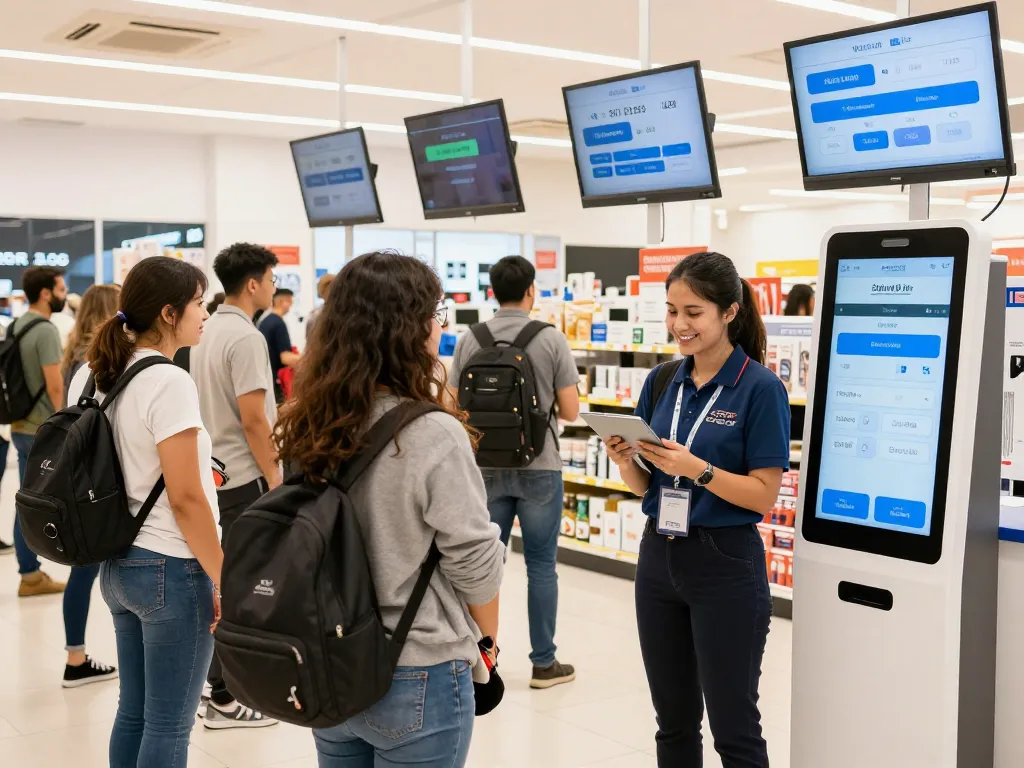
Understanding Queue Management Solutions
In today’s fast-paced world, providing efficient service is paramount for businesses and organizations across the United States. A queue management system (QMS) is an essential tool that helps manage customer flow, reduces waiting times, and enhances overall service efficiency. With the growing expectations for streamlined experiences in various sectors—such as retail, healthcare, and government services—understanding queue management solutions has become increasingly important. This guide explores the various aspects of queue management systems, their benefits, and how they can transform customer interactions in 2026.
What Are Queue Management Solutions?
At its core, a queue management solution refers to a system that helps businesses manage customer queues effectively. These solutions can be digital, physical, or a hybrid of both, and they serve to streamline the process of waiting for service. By integrating technologies such as mobile applications, SMS notifications, and real-time analytics, QMS enables organizations to minimize congestion and improve the customer experience.
How Do Queue Management Solutions Benefit U.S. Businesses?
Utilizing queue management solutions presents several advantages for businesses in the U.S. First and foremost, they significantly reduce wait times, which has a direct correlation with customer satisfaction. Research indicates that overcrowded waiting areas can lead to frustration and a negative perception of service quality. By efficiently managing the customer flow, businesses can improve overall efficiency and enhance their reputation.
- Enhanced Customer Satisfaction: Reducing waiting times leads to more satisfied customers who are likely to return.
- Improved Operational Efficiency: Organizations can better allocate resources, leading to increased staff productivity and reduced operational costs.
- Data-Driven Insights: Queue management systems provide organizations with valuable customer data that can be analyzed to optimize staffing and improve services over time.
Key Features of Effective Queue Management Solutions
When selecting a queue management solution, U.S. businesses should consider several critical features that enhance its effectiveness:
- Real-Time Queue Analytics: The ability to monitor and adjust operations based on live data is vital for maintaining efficiency.
- Multi-Channel Accessibility: Customers should have the ability to join queues via various platforms, such as mobile apps or SMS, to enhance convenience.
- Customizable Notifications: Providing customers with personalized updates about their queue status helps manage expectations and reduces frustration.
Types of Queue Management Solutions
Physical vs. Digital Queue Management Solutions
Queue management systems can be broadly categorized into physical and digital systems.
- Physical Queue Management: This traditional approach includes ticket dispensers and numbered displays. Customers physically wait in line, which can often lead to dissatisfaction due to long wait times.
- Digital Queue Management: Utilizing technology, these systems allow customers to join queues remotely through apps or SMS. This method not only reduces physical crowding but also enhances overall customer experience by allowing them to engage in other activities while waiting.
Virtual Queue Management Solutions: Advantages and Disadvantages
Virtual queue management solutions offer unique benefits and some potential drawbacks. By enabling customers to wait remotely, they alleviate the stress of physical lines. However, businesses must ensure robust technology is in place so that customers do not feel disconnected from the service experience.
- Advantages:
- Reduced physical crowding.
- Improved customer experience through flexibility.
- Better allocation of staff and resources based on real-time data.
- Disadvantages:
- Dependence on technology, which may fail at peak times.
- Potential frustration for customers who prefer in-person interactions.
Choosing the Right Queue Management Solution for Your Business
Selecting an appropriate queue management solution is crucial for U.S. businesses. When assessing potential systems, consider ease of use, scalability, and the integration potential of the system with existing operations. In addition, it’s essential to assess whether the solution meets accessibility standards, ensuring compliance with regulations such as the Americans with Disabilities Act (ADA).
Real-World Applications of Queue Management Solutions
Queue Management Solutions in Retail Settings
In retail environments, the implementation of queue management solutions can drastically enhance the customer shopping experience. For instance, major retailers like Target have adopted digital queue systems that allow customers to check in using their mobile devices. This innovation helps eliminate long lines, particularly during peak shopping seasons.
Implementing Queue Management Solutions in Healthcare
Healthcare providers face unique challenges when it comes to managing patient flow. Hospitals and clinics can adopt queue management solutions to improve patient check-ins and reduce wait times in waiting rooms. A case in point is the adoption of digital queue systems in urgent care clinics, which has led to improved patient satisfaction and regulatory compliance.
Success Stories: Businesses Transforming with Queue Management Solutions
Many organizations across the United States have successfully transformed their operations through queue management solutions. For example, a local DMV implemented a virtual queue system that decreased customer wait times by 40%, significantly enhancing the experience for citizens. Such success stories are becoming increasingly common, showcasing the value of effective queue management.
Analyzing Queue Management Solutions Performance
Metrics to Measure Success of Queue Management Solutions
To evaluate the effectiveness of queue management solutions, businesses should consider key performance metrics such as:
- Average wait times
- Customer satisfaction ratings
- Staff efficiency and resource allocation
- Number of walkouts or abandoned visits
Reducing Wait Times with Data-Driven Insights
Effective queue management systems provide data that allows businesses to analyze patterns in customer flow, helping to adjust staffing and operational strategies to reduce wait times. By continuously monitoring and refining these systems, organizations can create a more streamlined customer experience.
Improving Customer Experience through Feedback and Analytics
Gathering feedback from customers through surveys and feedback forms can provide valuable insights into their experiences. Combining this feedback with analytics from queue management systems creates a comprehensive understanding of customer needs and expectations.
The Future of Queue Management Solutions in 2026
Emerging Trends in Queue Management Solutions
As technology continues to evolve, so too will queue management solutions. In 2026, organizations can expect to see an increase in AI-driven analytics, which will enable predictive modeling for customer flow, enhancing operational preparedness during peak hours.
The Importance of Personalization in Queue Management Solutions
Personalization will be a crucial component of future queue management systems. By integrating customer data, businesses can tailor experiences to individual preferences, leading to higher engagement and satisfaction levels.
How Technology Will Shape Queue Management Solutions Moving Forward
Emerging technologies, such as machine learning and advanced data analytics, will significantly influence the development of queue management solutions. Organizations that embrace these technologies will gain a competitive edge in providing enhanced customer service and operational efficiency.
What are Queue Management Solutions?
Queue management solutions are technologies designed to facilitate the smooth flow of customers through service points, effectively reducing wait times and enhancing service quality across industries.
How can Queue Management Solutions improve customer experience?
By minimizing wait times, providing real-time updates, and allowing customers to join queues remotely, queue management solutions significantly enhance the overall customer experience, leading to higher satisfaction and loyalty.
Are Queue Management Solutions suitable for small businesses?
Yes, modern queue management solutions are scalable and can be effectively utilized by small businesses, allowing them to improve service efficiency and customer satisfaction without requiring large investments.
What types of businesses benefit most from Queue Management Solutions?
Businesses in retail, healthcare, financial services, and government sectors can all significantly benefit from implementing effective queue management solutions, as they typically experience high customer volumes and service demands.
How do I choose the right Queue Management Solution?
When selecting a queue management solution, consider features such as ease of use, multi-channel support, analytics capabilities, and how well the solution integrates with existing systems. It’s essential to ensure that the solution aligns with both operational needs and customer expectations.