
Understanding Colonial Home Renovation
Renovating a colonial home presents a unique set of challenges and rewards for homeowners. These historic properties often reflect a rich architectural heritage, and any renovation must pay homage to their original beauty while accommodating modern needs. In this guide, we will explore the fundamental aspects of colonial home renovation, from understanding the defining features of colonial homes to planning and executing restoration projects.
What Defines a Colonial Home?
Colonial homes, rooted in architectural styles from the late 17th to the 19th centuries, exhibit distinct characteristics. Typically, these houses are two or three stories tall with symmetrical facades, steep roofs, and central chimneys. Variations exist, including Spanish Colonial, Dutch Colonial, and Georgian Colonial, each showcasing regional influences. Interior elements often feature hardwood floors, decorative moldings, and built-in cabinetry that enhances the historical value of the property.
Key Renovation Challenges
When embarking on a colonial home renovation, homeowners may encounter several challenges. One significant hurdle is maintaining the structural integrity of the building. Many colonial homes were built with materials that may not meet contemporary standards, necessitating careful evaluation by professionals. Additionally, navigating local preservation laws can complicate renovation efforts, particularly when alterations affect the home’s historical character. Homeowners must also consider modernizations to plumbing, electrical, and HVAC systems that can disrupt original designs while enhancing comfort.
Importance of Historical Accuracy
Historical accuracy is crucial in colonial home renovations. Renovating without regard for the home’s original style can lead to unsightly mismatches that detract from overall aesthetic appeal. Engaging historians or consulting architectural guidelines can help ensure renovations remain true to the original character. Even minor details, such as window trim and door styles, play a significant role in preserving a home’s historical context.
Planning Your Colonial Home Renovation
Assessing Structural Integrity
Before any renovation begins, it is vital to assess the structural integrity of the colonial home. This involves inspecting the foundation, framing, roof, and walls for signs of decay or damage. Homeowners should engage structural engineers and contractors experienced in historical restoration to identify potential issues that require attention. Early detection can prevent further damage, ensuring a safe and sound renovation process.
Setting a Realistic Budget
Creating a detailed, realistic budget is essential for successful renovations. Homeowners should account for restoration of historical features, temporary housing during renovation, and potential unforeseen costs. Creating a contingency fund of 10-20% of the overall budget can provide a safety net for unexpected expenses. Furthermore, prioritizing renovations based on necessity—structural repairs versus aesthetic updates—can help manage costs effectively.
Selecting the Right Materials
Using historically accurate materials is crucial in maintaining a colonial home’s aesthetic. When replacing windows, roofs, or siding, homeowners should choose materials that match the original design and era. For example, traditional wooden window frames or slate roofing contribute to authentic restoration. Local suppliers specializing in historical reproduction products can offer valuable resources for sourcing appropriate materials.
Essential Renovation Techniques
Restoring Original Features
One of the key aspects of colonial home renovation is restoring original features. This may involve refinishing hardwood floors, repairing ornate moldings, or restoring original woodwork. Homeowners can often salvage existing materials through cleaning, refinishing, and repurposing. This authentic approach not only preserves the home’s history but often results in unique design elements that new materials cannot replicate.
Incorporating Modern Amenities
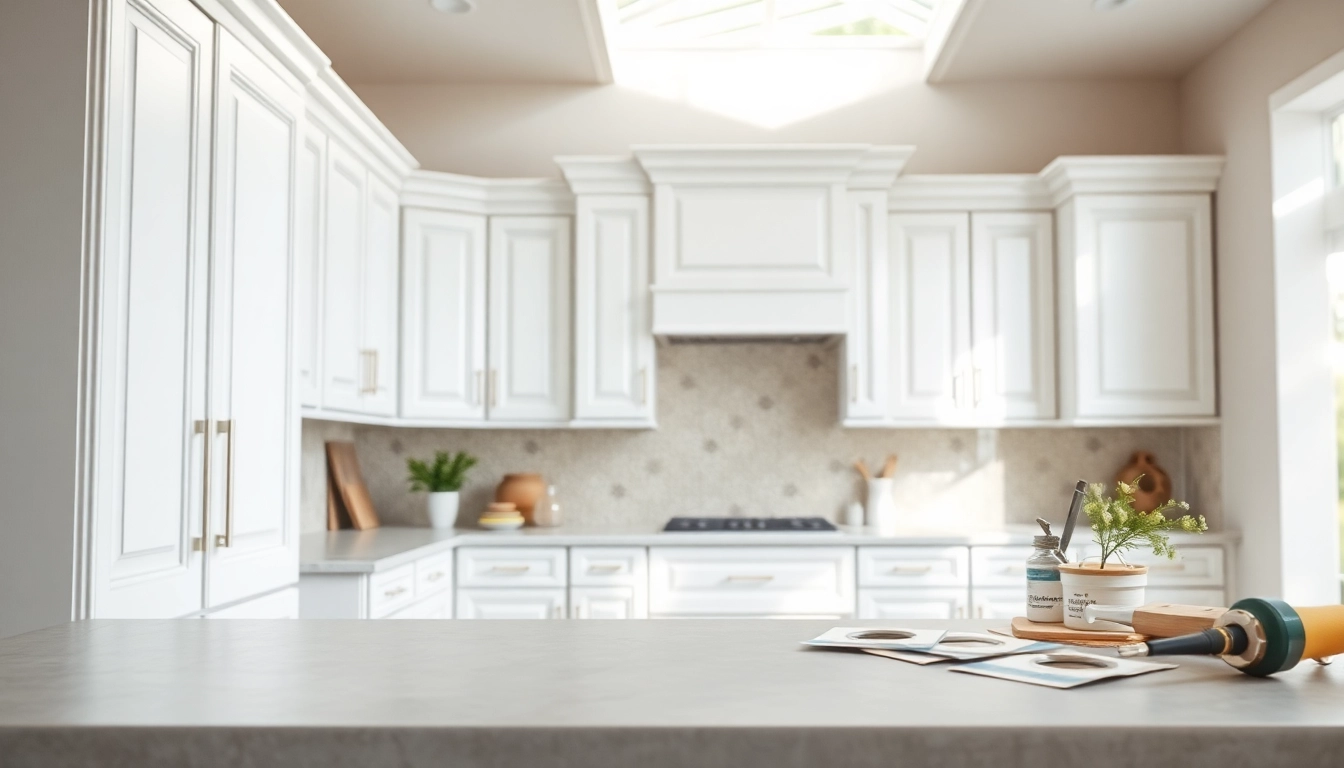
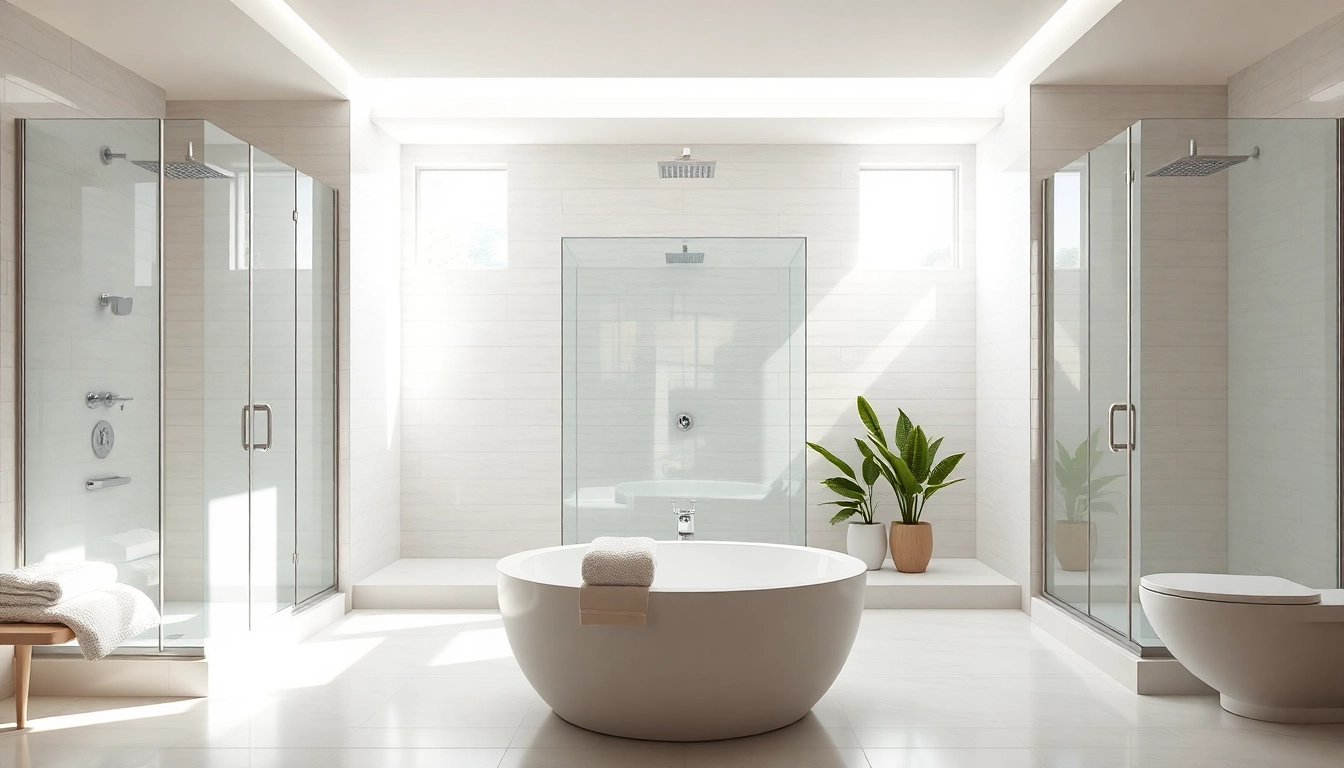
While preserving historical characteristics, incorporating modern amenities enhances usability and comfort. This can include updating electrical systems for modern needs, adding insulation for energy efficiency, and installing contemporary appliances that blend seamlessly with traditional designs. Careful planning ensures that new amenities do not conflict with the home’s historical essence but rather complement it.
Eco-friendly Renovation Practices
Incorporating eco-friendly practices during renovations is increasingly important for many homeowners. Utilizing reclaimed materials, energy-efficient windows, and sustainable insulation can significantly reduce a renovation’s environmental impact. Additionally, implementing water-saving fixtures and environmentally friendly landscaping can elevate a colonial home’s ecological footprint while maintaining its historic charm.
Design Trends for Colonial Home Renovation
Blending Traditional and Contemporary Styles
Striking a balance between traditional colonial styles and contemporary design elements offers an innovative approach to renovation. Homeowners can blend traditional colors and fixtures with contemporary layouts, creating spaces that are both functional and visually appealing. For instance, modern open floor plans paired with classic crown moldings allow for a fresh yet respectful take on colonial architecture.
Color Schemes that Shine
The interior color scheme plays a pivotal role in the overall feel of a colonial home renovation. Trending colors often reflect historic palettes such as muted earth tones combined with brighter accents. These color choices can highlight architectural features while creating airy and inviting spaces. Additionally, it’s important to consider the home’s natural light, as it can significantly affect how colors appear throughout the day.
Outdoor Space Enhancement Ideas
Enhancing outdoor spaces is an essential part of renovating colonial homes. Restoring porches, patios, and gardens can extend living spaces outdoors, offering relaxing areas for entertaining or quiet respite. Incorporating period-appropriate outdoor furniture and landscaping native plants can promote harmony with the surrounding environment. Enclosed porches in the colonial style can add both functionality and visual appeal.
Final Touches and Maintenance
Choosing Appropriate Furnishings
Selecting furnishings that reflect both the period style and personal taste can elevate the home’s interior design post-renovation. Period-appropriate pieces, such as Federal or Colonial-style furniture, can complement the architecture while also providing comfort. Homeowners should seek furniture made from quality materials that resonate with the character and story of the home.
Ongoing Maintenance Tips
Maintenance is critical in preserving the beauty and integrity of renovated colonial homes. Regular inspections of the roofing, siding, and foundation can identify potential issues early. Homeowners should keep gutters clean, maintain landscaping, and periodically check for signs of pests or rot. Developing a sustainable maintenance routine not only prolongs the lifespan of renovations but also enhances enjoyment of the home.
Enhancing Curb Appeal Post-Renovation
Boosting curb appeal is vital for any colonial home renovation, as it not only improves aesthetics but also adds property value. Fresh paint, updated landscaping, and classic lighting fixtures can significantly enhance a home’s exterior appearance. Additionally, maintaining historical features, such as decorative shutters or front doors, contributes to a welcoming and attractive façade that speaks to the history of the home.
Frequently Asked Questions
What is the cost of renovating a colonial home?
The cost can vary widely based on the project’s scope, location, and materials. A comprehensive renovation could range from tens of thousands to over a million dollars.
How long does a typical renovation take?
Renovation timelines depend on the scale of the project but typically range from several months to over a year, particularly for extensive restorations.
Do I need a permit for renovations?
Most renovations will require permits, especially those that affect structural integrity, electrical, or plumbing systems. It’s best to check local regulations.
Can I do the renovations myself?
While some tasks can be DIY, it’s advisable to hire professionals for structural work, electrical, and plumbing to ensure safety and compliance with codes.
How can I find historical accuracy in design?
Researching period styles, hiring design experts, or referencing historical renovation guidelines can help ensure accuracy in restoring colonial homes.