Overview of the Sandakphu Trek
Introduction to a Himalayan Gem
The sandakphu trek is a renowned trekking route nestled in the enchanting landscapes of the eastern Himalayas. It boasts of being the highest point in West Bengal, offering breathtaking views of some of the tallest peaks in the world. This trek is not just a physical challenge; it is a spiritual journey that allows trekkers to connect with nature and witness the magnificence of the Himalayas. With an elevation reaching up to 3,636 meters (11,929 feet), the trek offers an exhilarating experience that attracts adventure seekers and nature lovers alike.
The Significance of Sandakphu Trek
The significance of the Sandakphu trek lies not only in its stunning vistas but also in its unique geographical positioning along the India-Nepal border. Being a dual-country trek adds an interesting layer to the experience, allowing trekkers to immerse themselves in both cultures. This trek is a gateway to view the majestic peaks of Mount Everest, Kanchenjunga, Lhotse, and Makalu, all from one location. Such breathtaking panoramas make Sandakphu a favored spot for photographers and nature enthusiasts who seek to capture the magic of the mountains.
Key Highlights Along the Route
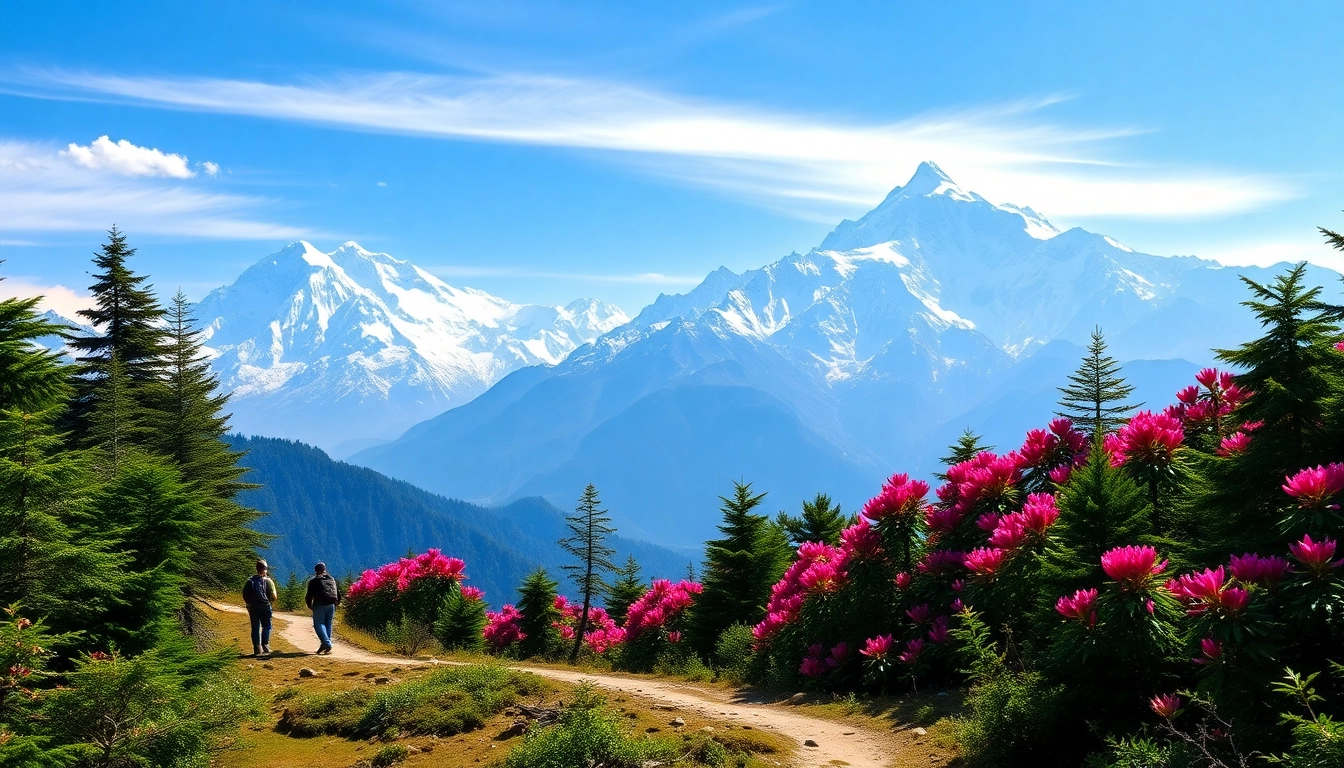
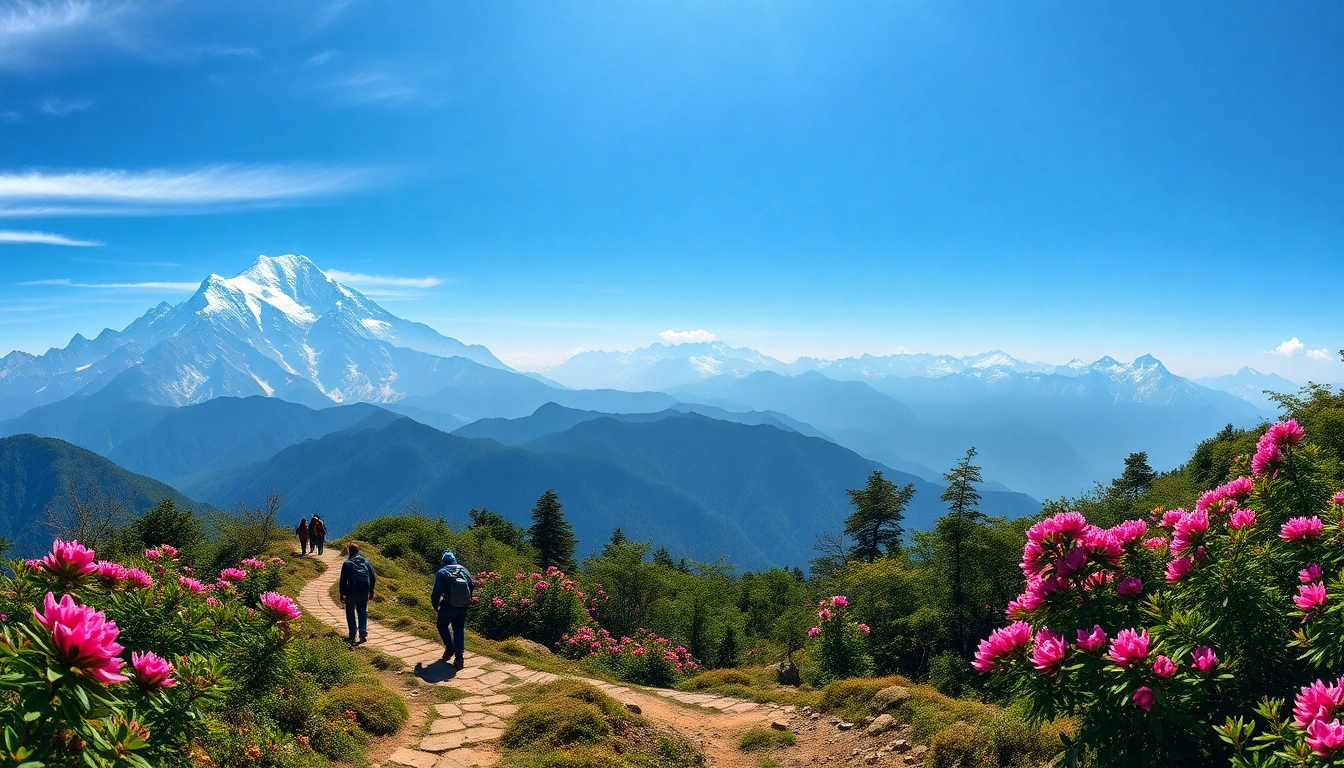
Trekking through Sandakphu is not just about reaching the summit; it’s about enjoying the entire journey. The trail unfolds through lush rhododendron forests, quaint villages, and meandering hill streams. Key highlights include:
- Everest View: The spectacular view of Mount Everest from Sandakphu is a defining moment of the trek.
- Singalila National Park: Experience diverse wildlife, including red pandas, Himalayan black bears, and numerous bird species.
- Local Culture: Interact with the warm-hearted locals, who provide insight into the traditions and lifestyle of the Sherpa and Bhutia communities.
- Stunning Landscapes: The panoramic views of the Himalayas at sunrise are breathtaking, providing a perfect backdrop for memorable photographs.
Preparing for the Sandakphu Trek
Essential Gear and Equipment
Preparation is crucial for a successful trek. The right gear ensures safety, comfort, and an enjoyable experience in the mountains. Essential equipment includes:
- Footwear: Sturdy trekking shoes with good grip are vital for navigating diverse terrains.
- Clothing: Layering is key—thermal innerwear, moisture-wicking shirts, and waterproof jackets are essential for variable weather conditions.
- Backpack: A comfortable backpack with enough capacity to carry essentials without being cumbersome.
- Sleeping Gear: A lightweight sleeping bag rated for cold temperatures will keep you warm during the nights.
- First Aid Kit: Include personal medications and a basic kit for common injuries and ailments.
Physical Training for Trekking
Undertaking the Sandakphu trek demands good physical fitness. Preparing your body through tailored training is crucial. Suggested training methods include:
- Cardiovascular Exercises: Running, cycling, or swimming will improve stamina and heart health.
- Strength Training: Focus on leg workouts including squats and lunges to build strength for climbing.
- Hiking Practice: Engage in local hikes with elevation gain to simulate the trekking experience.
- Flexibility Training: Incorporate yoga or stretching routines to improve flexibility and prevent injuries during the trek.
Best Practices for Altitude Sickness
As altitude increases, so does the risk of altitude sickness. To mitigate this risk, consider the following practices:
- Acclimatize Gradually: Ascend slowly and take breaks to let your body adjust to higher elevations.
- Stay Hydrated: Drinking plenty of water is essential to help with acclimatization.
- Monitor Symptoms: Be aware of symptoms like headaches and nausea; if these occur, descend to lower altitudes immediately.
- Consider Medications: Consult with a healthcare provider about medications that can help prevent altitude sickness.
Understanding the Terrain of Sandakphu Trek
Trail Conditions and Challenges
The terrain of the Sandakphu trek is varied and can present several challenges. Trekkers can expect:
- Uneven Trails: Many sections are rocky and require careful navigation.
- Steep Sections: Certain stretches may be steep, demanding physical exertion and caution.
- Weather Variability: Conditions can change rapidly; be prepared for rain, sun, wind, or cold temperatures.
Best Timing and Weather Considerations
Timing your trek can greatly affect the experience. The best months for trekking Sandakphu are:
- Spring (March-April): The blooming rhododendron forests create a vibrant landscape.
- Autumn (October-November): Clear skies offer stunning views of the peaks, making this the most popular trekking season.
Winter can be harsh, while monsoons bring heavy rain and leeches, making trekking less pleasant. Always check weather updates before departure.
Flora and Fauna Along the Route
The Sandakphu trek passes through the Singalila National Park, rich in biodiversity. You can encounter:
- Flora: Enormous rhododendrons, magnolias, and bamboo thickets create a colorful environment.
- Fauna: Unique wildlife such as the red panda, barking deer, and a plethora of bird species, increasing the trek’s appeal.
Respect the environment and engage with it responsibly by following Leave No Trace principles. Your impact on nature can preserve its beauty for future trekkers.
Itinerary for a Successful Sandakphu Trek
Simplified Trek Itinerary Overview
The typical itinerary for the Sandakphu trek averages around 6 days. A sample itinerary may look like:
- Day 1: Drive to the trailhead and start trekking from Mane Bhanjyang to Chitrey.
- Day 2: Trek from Chitrey to Tumling, enjoying views of the Kanchenjunga range.
- Day 3: Continue from Tumling to Kalpokhri.
- Day 4: Ascend from Kalpokhri to Sandakphu, the highest point.
- Day 5: Trek from Sandakphu to Phalut and continue descending.
- Day 6: Return trek to Mane Bhanjyang and drive back to your departure point.
Accommodation Options During the Trek
Accommodation ranges from basic lodges to homestays along the trek. Options include:
- Lodges: Simple lodges that provide meals and resting places, catering primarily to trekkers.
- Homestays: Cultural immersion opportunities where trekkers can stay with local families, enjoying home-cooked meals and insights into local life.
Be sure to book accommodations in advance during peak trekking seasons to secure your spot.
Meal Planning for Trekkers
Meal planning is important on treks. Typically, meals consist of:
- Daal Bhaat: A staple dish made of lentils and rice, offering necessary nutrients and energy.
- Vegetable Curries: Locally sourced vegetables are utilized to ensure freshness.
- Snacks: Carrying energy bars and nuts can supplement meals and maintain energy levels during the trek.
Try to enjoy local flavors while ensuring that you are getting a balanced diet throughout your journey.
Frequently Asked Questions About Sandakphu Trek
How Difficult is the Sandakphu Trek?
The Sandakphu trek is generally rated as moderate. While it can be challenging due to distance and altitude, most healthy individuals should find it achievable with proper preparation.
Can Beginners Successfully Complete the Trek?
Yes, beginners can complete the Sandakphu trek. However, it is crucial for them to be in good physical condition and undergo some prior trekking practice to enhance their stamina and confidence.
What is the Best Time to Trek Sandakphu?
The best months for trekking Sandakphu are October, November, March, and April. These months provide clear skies and optimal weather conditions for trekking and enjoying breathtaking views of the mountains.
What to Expect at High Altitudes?
At high altitudes, expect colder temperatures, thin air, and potential altitude sickness. It’s crucial to take acclimatization seriously to avoid any health risks.
What Essential Items Should I Pack?
Essential packing items include trekking shoes, weather-appropriate clothing, a first-aid kit, a hydration system, snacks, and necessary gear like poles and a sleeping bag rated for cold conditions.