
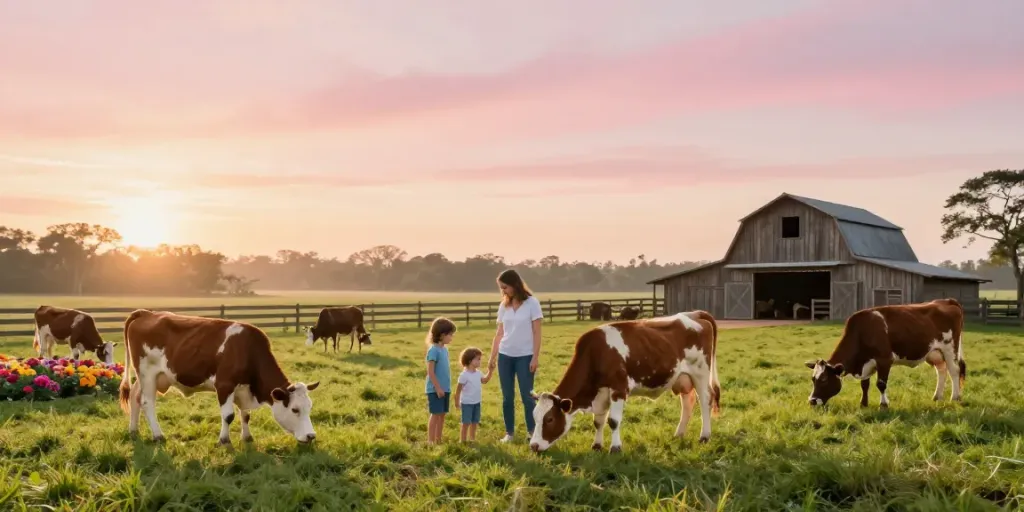
Understanding Mini Cattle Breeds
In recent years, the popularity of mini cattle has surged among farmers and hobbyists alike. These compact versions of traditional breeds offer unique advantages, making them perfect for a variety of settings and purposes. From their manageable size to their gentle nature, mini cattle are appealing for both personal enjoyment and agricultural productivity. This article will delve into the various breeds of miniature cattle, their benefits, and how to incorporate them effectively into your farming or homesteading lifestyle.
Popular Mini Cattle Breeds in the USA
Several miniature breeds have gained recognition across the United States, each offering distinct characteristics and benefits:
- Miniature Hereford: Known for their calm disposition and good temperament, Mini Herefords typically stand between 36 to 42 inches tall. They are great for smaller farms.
- Miniature Jersey: These cows are prized for their rich milk production. Mini Jerseys usually weigh around 400 to 600 pounds and are about 42 inches tall.
- Dexter: Originally bred as a dual-purpose breed, Dexters are small but strong, making them excellent for both milk and meat. They stand around 36 to 42 inches tall and can be quite hardy.
- Miniature Highland: Recognizable by their long hair and distinctive horns, Mini Highlands are resilient and known for their adaptability to various climates.
- HighPark: This breed is a cross between Dexter and Miniature Hereford, combining the best traits of both for a gentle, friendly animal ideal for any homestead.
- Miniature Zebu: Zebu cattle are drought-resistant and ideal for hot climates. They possess unique physical features, such as a hump over their shoulders, and are known for their docile nature.
Mini Cattle vs. Standard Breeds: Key Differences
The primary distinction between mini cattle and their standard-sized counterparts lies in their size and resource requirements. Mini cattle are generally under 48 inches tall at maturity, usually weighing no more than 800 pounds. This smaller size comes with several advantages:
- Space Efficiency: Mini cattle require less pasture, making them an ideal choice for small farms or urban homesteads.
- Feed Costs: Their smaller bodies necessitate less feed, resulting in lower operational costs.
- Handling Ease: Mini cattle are easier to manage compared to larger breeds, making them suitable even for novice cattle owners.
Choosing the Right Mini Cattle for Your Farm
Selecting the right breed involves considering your specific needs and the environment they will inhabit. Evaluate aspects such as whether you want cattle primarily for milk, meat, or companionship. Additionally, assess your land size, climate, and the availability of resources before making a decision.
Benefits of Raising Mini Cattle
Engaging with mini cattle offers a blend of economic advantages and lifestyle enhancements. Here we’ll explore why these smaller bovines can be a worthy addition to your farm or homestead.
Space and Resource Efficiency of Mini Cattle
Mini cattle thrive in smaller spaces, which can be especially beneficial for urban or suburban farming. Their reduced dietary needs compared to standard-sized cattle mean farmers can save significantly on feed costs, making mini cattle an economical choice.
Health and Maintenance Benefits
Smaller breeds typically have fewer health problems, making them easier and less costly to maintain. Their hardy nature often leads to lower veterinary expenses, allowing for a more enjoyable ownership experience. Furthermore, many mini cattle breeds are known to adapt well to various climates and conditions, further easing management challenges.
Mini Cattle as Family-Friendly Animals
Mini cattle are often considered excellent family pets due to their gentle nature and friendly disposition. They can be a source of education for children and provide companionship without the overwhelming demands that come with larger breeds. Their trainable nature makes them suitable for interactive activities, allowing families to bond over their shared experiences.
Purchasing Mini Cattle: A Step-by-Step Guide
The process of acquiring mini cattle involves several steps that ensure you make informed decisions and find the perfect fit for your needs.
Finding Reputable Mini Cattle Breeders
When searching for mini cattle, prioritize breeders known for their ethical practices and quality livestock. Check for registered breeders and those who provide clear information on their cattle’s health history, lineage, and care practices.
Online forums and associations dedicated to miniature cattle can be excellent resources for finding reputable breeders.
Key Considerations Before Buying Mini Cattle
Before making a purchase, consider the following factors to ensure you are well-prepared:
- Space Availability: Make sure you have ample space for the cattle's needs, including shelter and grazing areas.
- Feed and Water Access: Ensure you can provide a consistent supply of quality feed and clean water.
- Social Needs: Mini cattle are social animals; consider acquiring at least two to promote healthy social interaction.
Legal Requirements and Ownership Transfer
It’s crucial to familiarize yourself with local regulations regarding cattle ownership, including space requirements, health inspections, and brand registrations. Understand the legal aspects of the ownership transfer process, as proper documentation is vital to safeguard your investment.
Mini Cattle Transportation and Care
After acquiring mini cattle, proper transportation and post-purchase care are essential for their well-being and adjustment.
Safe Transportation Practices for Mini Cattle
Transporting mini cattle requires careful planning to ensure their safety and comfort. Ensure appropriate trailers are used, offering sufficient space and ventilation. Additionally, minimize travel time to reduce stress on the animals.
Post-Purchase Care and Setup
Once your mini cattle arrive, provide a safe and comfortable environment as they acclimatize to their new home. This includes proper fencing, shelter, and a diet tailored to their nutritional needs. Establish a routine for feeding and caring for your cattle, allowing them to settle quickly.
Common Challenges in Mini Cattle Transportation
Challenges may arise during transportation, such as stress and potential injury. It is vital to prepare for such issues by ensuring your transport vehicle is secure and monitoring your cattle throughout the journey. Providing water and food during long travels can help minimize stress.
Future Trends in Mini Cattle Raising
As the farming landscape evolves, miniature cattle are likely to see advancements in breeding, technology, and sustainable practices.
Emerging Breeds and Genetic Developments
As demand rises, breeders are continually improving mini cattle genetics to enhance traits such as temperament, adaptability, and disease resistance. Expect to see new breeds emerge, catering to diverse agricultural needs and preferences.
Technological Advances in Mini Cattle Farming
Technology is playing an increasingly important role in cattle management. From genetic testing to automated feeding systems, these innovations streamline care and improve productivity. Farmers can expect ongoing developments that facilitate better cattle health and farm management.
Sustainability Practices for Mini Cattle Owners
With growing awareness of environmental concerns, sustainable practices are becoming essential in cattle raising. Mini cattle can play a role in regenerative agriculture, promoting biodiversity and minimizing land degradation. Techniques such as rotational grazing and sustainable feed sourcing can further enhance the ecological benefits of raising mini cattle.
How much do mini cows cost?
The price of mini cows can vary widely based on breed, age, and breeder reputation. On average, you can expect prices ranging from $1,500 to $5,000 for quality animals. It's essential to compare options and focus on health and genetics rather than solely on cost.
What is the smallest breed of cattle?
The smallest breed of cattle is generally considered to be the Miniature Zebu, with some individuals standing as low as 36 inches tall. Their compact size and unique characteristics make them favorable in many small-scale farming operations.
What are mini cattle good for?
Mini cattle can be raised for various purposes, including milk production, meat production, and companionship. Their manageable size makes them perfect for hobby farms, homesteads, and educational environments.
How big do mini cows get?
Mini cows typically range from 30 to 48 inches in height and weigh between 300 to 800 pounds, depending on the breed. Their smaller size allows for easier management, particularly in confined spaces.
Can mini cattle be raised in urban settings?
Yes, mini cattle can be successfully raised in urban environments, provided there are adequate space, zoning permits, and resources available. Many urbanites appreciate having mini cattle as part of their homesteading projects due to their friendly nature and minimal space requirements.