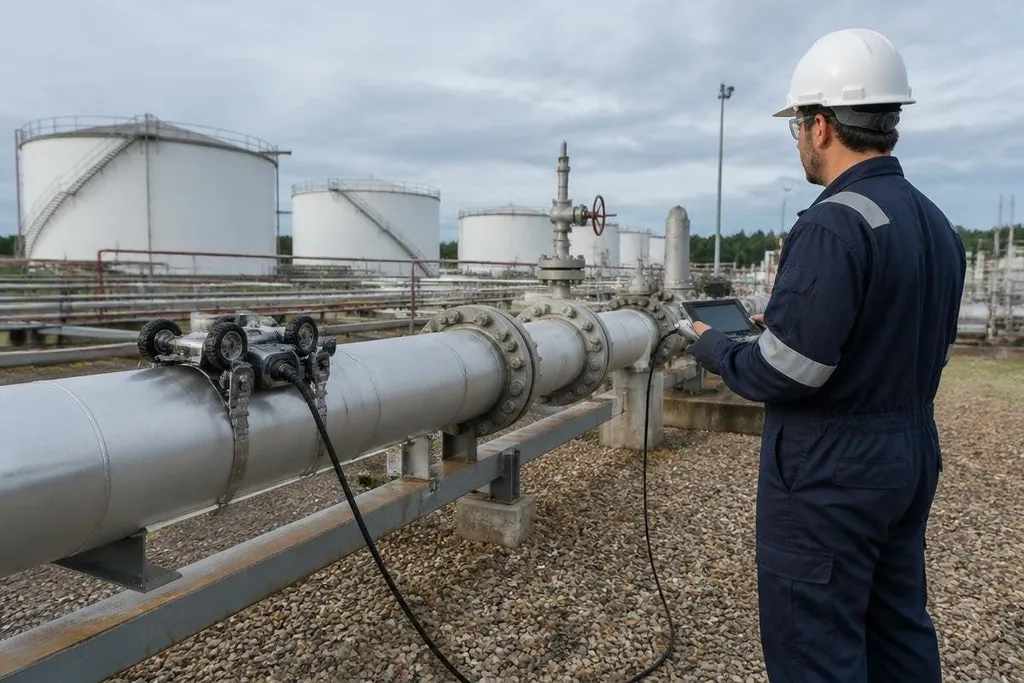
Robots can inspect pipelines, watch storage tanks, check underwater equipment, and find leaks before they spread. They can lower the time people spend near fire, toxic gas, and unstable structures, but no robot removes the need for sound equipment and trained crews.
Quick read
- Inspection robots can find damage before a leak starts.
- Drones and fixed sensors can watch remote sites between human checks.
- Cleanup still needs people, booms, pumps, and a plan for changing weather.
Where robots can help
Oil-spill prevention starts before oil reaches open water. Inspection robots can check a pipe wall, tank roof, valve, or subsea joint without sending a person into the same space.
An inspection robot may use cameras, ultrasound, magnetic sensors, or laser scanners. Each tool checks a different problem. A camera can find corrosion on the surface, while ultrasound can measure wall thickness below it.
That distinction matters because a clean-looking pipe can still have thin metal. A robot may find damage early enough for a crew to replace a section during planned maintenance rather than after a rupture.
Underwater robots have a similar job. A remotely operated vehicle, or ROV, is connected to a surface vessel by a cable and carries cameras and sensors below the water. It can inspect a pipeline or wellhead while the operator watches the video from above.
An autonomous underwater vehicle, or AUV, works without a live cable during its survey. It can follow a planned route and collect data across a larger area, but it needs a way to return, report its position, and avoid obstacles.
Detection is where time matters
The first drop of oil may still escape. A robot can reduce the delay between a leak and the first warning.
Fixed cameras, pressure sensors, acoustic sensors, and drones can watch tanks, pipes, shorelines, and access roads. Software can compare new readings with normal readings and send an alert when the pattern changes.
That alert needs human review. A pressure change may point to a leak, but it may also come from a pump starting, a valve closing, or a sensor fault. Sending a crew to the wrong place wastes time; ignoring a real warning creates a larger problem.
Stopping a spill depends on the record behind the alert: which pipe or valve was checked, when the robot ran, and what a person did next. Robot 24 can give you reporting tied to those details, so you can separate a lab alarm from a field test that might stop oil before it reaches the water.
The useful measure is not how clever the robot looks in a video. It is whether the system finds damage early, gives a clear location, and works when rain, darkness, spray, or poor network coverage gets in the way.
Cleanup still needs people
After oil reaches water or soil, robots can map the affected area and send images from unsafe locations. Small surface boats can measure water conditions, while aerial drones can create maps for crews planning access and cleanup.
Those machines support the response. They don't replace containment booms, skimmers, absorbent materials, pumps, shoreline crews, or decisions about wildlife and nearby communities. The job changes with wind, waves, tides, and the type of oil involved.
Every robot also needs power, communications, maintenance, and a safe launch point. If a storm knocks out the network or mud blocks the access road, a remote system may stop reporting when the crew needs it most.
The limits to check before buying
The promise of prevention can hide a basic question: what failure can the robot detect, and how early can it detect it?
A system built for surface corrosion may miss a damaged seal. A drone that maps a tank roof may not inspect the pipe inside the tank.
I’d judge an oil-spill robot by its warning time and failure plan, not by its autonomy label.
Use this checklist before a pilot:
- Name the failure: List the leak, crack, pressure change, or valve fault the system must find.
- Set the warning time: State how long the crew needs to inspect, isolate, and repair the problem.
- Test the site: Check rain, salt water, darkness, heat, dust, network coverage, and launch access.
- Keep human review: Define who checks an alert and who can shut equipment down.
- Plan the fallback: Keep manual inspection and response steps ready when the robot loses power or contact.
Robots can reduce exposure, inspect places people cannot reach easily, and shorten the time before a crew sees a problem. They prevent spills only when the full system turns that warning into a repair before oil escapes, and that remains the measure worth asking for in every trial.