Understanding the Essence of Cape Cod Homes
Cape Cod homes are more than just a style of architecture; they encapsulate a coastal lifestyle that resonates with many. Originating in the early 17th century, these charming structures reflect a harmonious relationship between their inhabitants and the seaside landscape. Renowned for their cozy aesthetic and functional design, cape cod homes have evolved over the years while retaining their historical significance and unique character.
Historical Significance of Cape Cod Homes
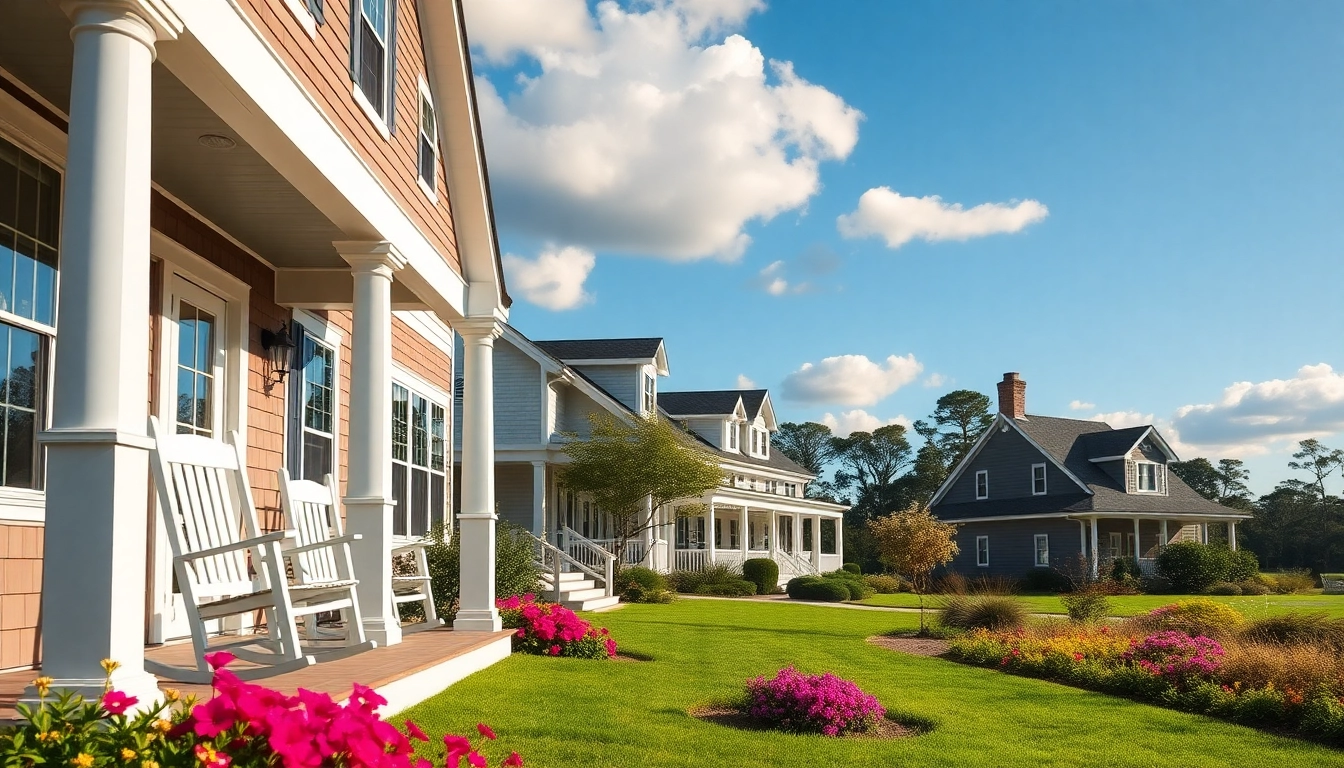
The history of Cape Cod homes is deeply rooted in the maritime culture of New England. Initially designed by settlers for practicality, these homes were constructed using local materials such as timber and shingles, which provided resilience against the harsh coastal elements. Their simple design, featuring steeply pitched roofs and symmetrical facades, was not only charming but also functional—allowing for quick snow runoff and maximizing interior space.
During the Colonial era, Cape Cod homes were often one or one-and-a-half stories high, which suited the needs of families while providing a sense of warmth and intimacy. The architectural simplicity of these homes reflects a lifestyle centered around community and nature, emphasizing their historical roots.
Key Architectural Features
When we think of Cape Cod homes, several architectural features come to mind:
- Steep Roofs: The steep gables are one of the most identifiable aspects, designed to shield against heavy snowfall.
- Dormer Windows: These are stylistic elements that provide additional light and space within the upper levels.
- Symmetry: Cape Cod homes typically exhibit a symmetrical design with evenly spaced windows and a centered front door, creating a pleasing aesthetic.
- Natural Materials: The use of shingles, wood siding, and stone reflects the coastal environment, creating a seamless blend with nature.
These architectural features not only define the aesthetic appeal of Cape Cod homes but also contribute to their longevity and functionality.
Modern Adaptations and Trends
As Cape Cod homes continue to evolve, new architectural trends emerge that bridge traditional designs with modern sensibilities. Homeowners are increasingly favoring open floor plans, which foster a sense of spaciousness and facilitate greater social interaction. Additionally, energy efficiency has gained precedence; many newer constructions incorporate sustainable practices, from installation of energy-efficient windows to solar panels.
The marriage of traditional elements with modern technology allows homeowners to enjoy the charm of classic cape cod homes while reaping the benefits of contemporary living. Furthermore, outdoor spaces have become focal points, promoting a lifestyle that enhances the connection with the scenic surrounding.
Design Elements that Define Cape Cod Homes
Gabled Roofs and Dormer Windows
The characteristic gabled roofs of Cape Cod homes are not merely aesthetic; they play a critical role in functionality. Their steep pitch contributes to efficient snow melting, while dormer windows enhance the illumination of upper interiors, making them ideal for small living spaces.
Today’s designs often experiment with varying styles of dormers—such as eyebrow and shed dormers—that add unique flair to the traditional gable. By incorporating different materials or colors, homeowners can personalize their Cape Cod home while maintaining its essential character.
Use of Natural Materials
True to their roots, Cape Cod homes typically feature an array of natural materials that resonate with the coastal environment. Cedar shingles are commonly used, allowing for breathability while also being remarkably durable. The use of stone for foundations or chimneys not only elevates aesthetics but also provides solid support, highlighting the harmonious blend of beauty and function.
Moreover, many contemporary adaptations utilize reclaimed wood and sustainable building materials, allowing for a modern take on traditional aesthetics without compromising the environment.
Color Palettes That Capture Coastal Aesthetics
The color schemes of Cape Cod homes are significantly inspired by the coastal environment. Soft hues of blue, seafoam green, and sandy beige dominate the landscape, resembling the ocean and beaches. These colors not only enhance the home’s exterior but also create a soothing atmosphere that complements the surrounding nature.
Homeowners often opt for white trim to add a classic touch, providing a sharp contrast against muted colors. The goal is to evoke a sense of tranquility and harmony, essential for a true coastal retreat.
Landscaping Ideas for Cape Cod Homes
Creating Inviting Outdoor Spaces
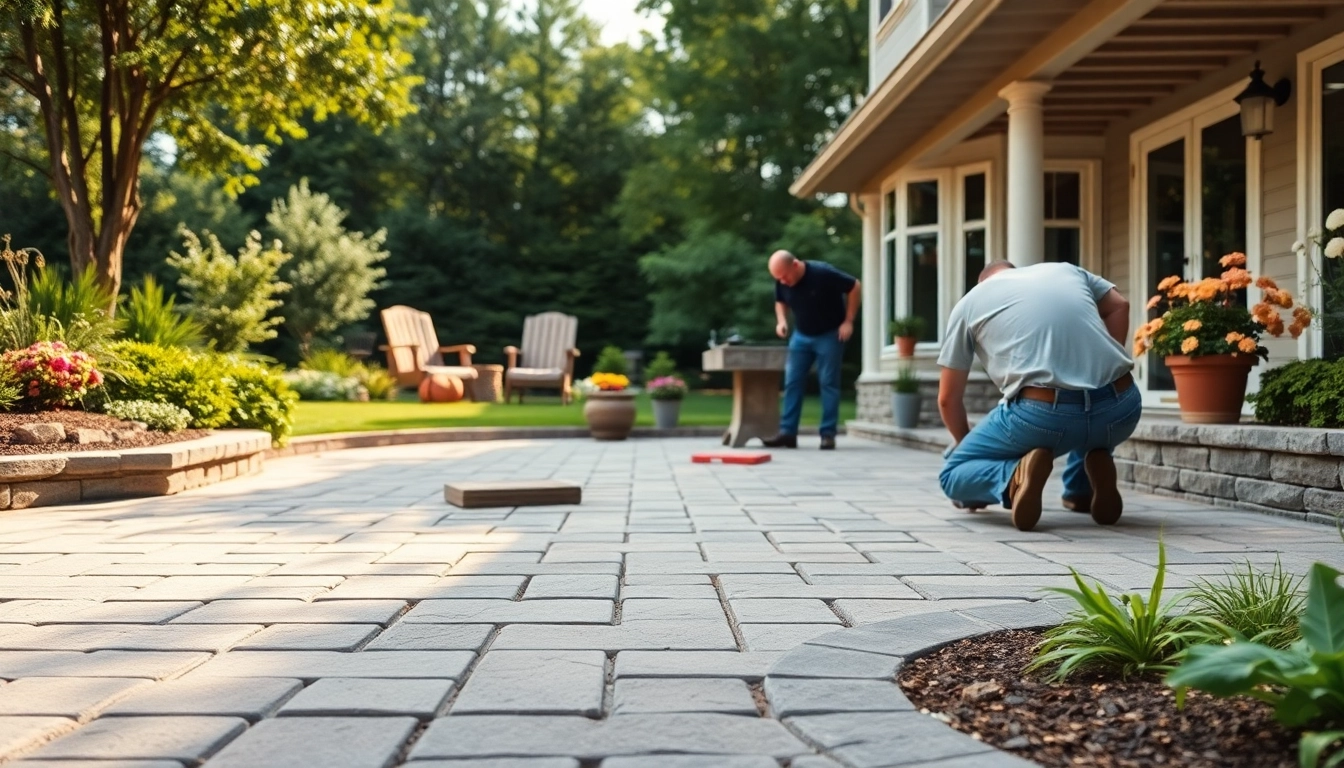
Landscaping plays an integral role in the overall appeal of Cape Cod homes. Creating inviting outdoor spaces can enhance curb appeal while providing functionality for outdoor living. Homeowners are increasingly opting for patios and decks that extend their living space outward, allowing for gatherings and relaxation amidst natural beauty.
Incorporating fire pits, seating areas, and well-designed walkways can transform a simple yard into an outdoor oasis. Weather-resistant materials and furniture ensure durability against coastal conditions, making these spaces both beautiful and functional.
Choosing the Right Plants for Coastal Air
When selecting plants for coastal landscaping, it’s crucial to choose species that thrive in salty, windy environments. Native plants such as beach grasses, daisies, and hydrangeas not only withstand the elements but also contribute to the natural ecosystem.
In addition to practicality, these plants can create a vibrant aesthetic, enhancing the natural beauty of Cape Cod homes. Grouping plants in clusters rather than straight lines can offer a more organic feel, harmonizing with the coastal landscape.
Outdoor Living Features to Enhance Appeal
Adding outdoor living features can substantially enhance the charm of Cape Cod homes. Consider features like outdoor kitchens, lounges, or fire pits to create an environment that encourages outdoor activities, especially during warmer months. A well-placed pergola can provide shade while enhancing the visual complexity of the space.
Pathways made of stone or brick can lead visitors through the garden areas while ensuring an aesthetic connection between various outdoor elements. Additionally, incorporating lighting features can extend the usability of outdoor spaces into the evening, creating an inviting atmosphere.
Renovating and Expanding Your Cape Cod Home
Tips for Homeowners Considering Renovations
Renovating a Cape Cod home requires blending respect for its historical roots with modern-day functionality. Start by assessing the existing layout: think about how you can improve traffic flow and make use of underutilized spaces.
Consider involving experts who specialize in historical architecture, ensuring renovations maintain the home’s foundational character. Typically, homeowners aim to balance classic elements with modern amenities, ensuring that any expansion feels cohesive and well-integrated.
Design Choices for Functional Additions
When it comes to functional additions, consider spaces that deliver both utility and aesthetic value. Popular additions include sunrooms or spacious mudrooms—ideal for enhancing both livability and entryway function. Design ideas such as skylights can bring in natural light while preserving the home’s quaint charm.
Opting for materials that match or complement existing structures will ensure that the additions feel like a seamless part of the original home. Incorporating built-in storage solutions can solve space issues while adding to the design’s integrity.
Balancing Tradition with Modern Needs
Striking a balance between tradition and modernity can be challenging, but it is achievable with thoughtful design. Modern needs often require open layouts and energy-efficient appliances, while maintaining traditional touches such as wood trim or vintage fixtures can preserve the classic style.
Incorporating modern technology, such as smart home features, can enhance convenience without detracting from the aesthetic. This balance allows homeowners to enjoy today’s conveniences while cherishing the historical essence of their Cape Cod homes.
FAQs About Cape Cod Homes
What are the typical features of Cape Cod homes?
They often have steep roofs, dormer windows, and are made with natural materials like wood and shingle.
How do I choose colors for my Cape Cod home?
Opt for soft, muted shades that blend well with the natural surroundings, inspired by water and sand.
Are Cape Cod homes energy-efficient?
Yes, many design elements promote efficiency, such as proper insulation and strategically placed windows.
What landscaping styles work best?
Coastal-themed landscaping with native plants that thrive in salty air while enhancing curb appeal is ideal.
How can I modernize my Cape Cod home?
Incorporate open floor plans, energy-efficient appliances, and contemporary furnishings while preserving classic features.