Understanding Your Loofah
What is a Loofah?
A loofah is a fibrous plant material derived from the dried and roasted fruit of the loofah gourd, which is part of the cucumber family. Commonly used for bathing, loofahs provide an exfoliating texture that helps remove dead skin cells, leaving your skin smooth and refreshed. They are available in various forms, most notably as sponges, and are valued for their ability to enhance the lather of soaps and body washes.
Types of Loofahs and Their Uses
There are primarily two types of loofahs: natural and synthetic. Natural loofahs are made from the dried fibrous skeleton of the loofah gourd, offering excellent exfoliant properties. They are biodegradable and preferred by eco-conscious consumers. On the other hand, synthetic loofahs, often made from nylon or other plastics, are durable and easy to clean but may retain bacteria more easily. Both types can serve various purposes, including bathing, scrubbing dishes, and even as a natural sponge in the kitchen. Understanding these differences can help you choose the right loofah for your needs.
Why Cleaning Your Loofah is Important
Cleaning your loofah is crucial for maintaining hygiene. Over time, loofahs can harbor bacteria, mold, and mildew, leading to skin infections or other health issues. Regularly cleaning your loofah not only ensures a clean bathing experience but also extends the life of the loofah itself. Neglecting this simple task can turn a beneficial tool into a source of harmful bacteria, defeating its purpose as a skin care aid.
How to Clean a Loofah Naturally
Gathering Natural Cleaning Supplies
To clean your loofah effectively and safely, gather natural cleaning supplies such as white vinegar, baking soda, and a mild natural soap. These items are typically found in most kitchens and provide a non-toxic way to disinfect and sanitize your loofah without introducing harsh chemicals that could damage it. Additionally, a clean basin or sink for soaking your loofah will be necessary to facilitate the cleaning process.
Step-by-Step Guide for Effective Cleaning
- Prepare Your Cleaning Solution: Mix one part white vinegar with four parts water in a basin. Alternatively, you can dissolve a couple of tablespoons of baking soda in warm water for a more vigorous cleaning.
- Soak the Loofah: Submerge the loofah in the cleaning solution, ensuring it is fully immersed. Allow it to soak for about 10-15 minutes. This time is essential for loosening any debris and killing bacteria.
- Scrub Gently: Using a soft brush or your hands, lightly scrub the loofah to remove any remaining dirt. Avoid using abrasive materials that could compromise the fibers.
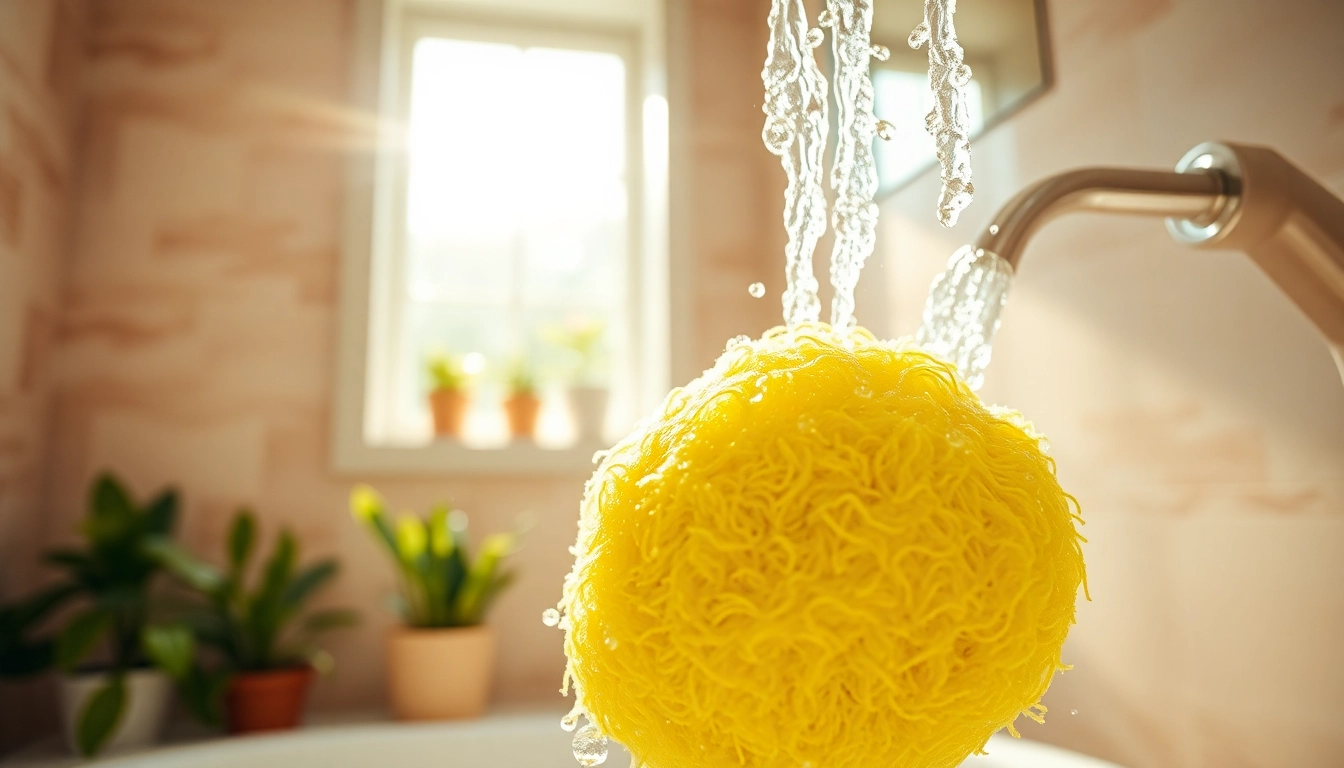
- Rinse Thoroughly: After scrubbing, rinse the loofah under running water until all soap and residue are removed. This may take a few minutes but is vital for hygiene.
- Disinfect (Optional): To give an extra layer of cleanliness, you can prepare a solution of one tablespoon of bleach in a gallon of water. Soak the loofah for a minute or two, then rinse thoroughly to remove any bleach residue.
Rinsing and Drying for Maximum Longevity
After cleaning, it is crucial to rinse your loofah thoroughly to remove any cleaning agents. Squeeze out excess water gently but avoid twisting or wringing it harshly as this can damage the fibers. Drying your loofah properly is equally important. Hang it in a well-ventilated area, preferably out of direct sunlight, to ensure it dries completely between uses. A damp loofah is a breeding ground for bacteria, so never store it while it is still wet.
Best Practices for Loofah Maintenance
Frequency of Cleaning
To maintain optimum hygiene, it is advisable to clean your loofah at least once a week. If you use it frequently or notice a smell developing, increase the frequency of cleaning. Regular care not only keeps your skin healthy but also prolongs the life of the loofah.
Signs Your Loofah Needs Replacing
Despite diligent cleaning, loofahs do not last indefinitely. Signs that indicate it’s time to replace your loofah include: an unpleasant smell that lingers after cleaning, a frayed or deteriorating texture, or the presence of mold or discoloration. Generally, it is recommended to replace natural loofahs every three to four weeks, while synthetic varieties may last longer but should also be replaced when they show signs of wear.
Storing Loofahs for Optimal Condition
To maintain your loofah in its best condition, store it in a dry area with good air circulation. Avoid storing it in closed, damp environments such as the bottom of your shower caddy or a cabinet. Using a loofah holder that allows for drainage and airflow can significantly reduce the risk of bacterial growth and extend the life of your loofah.
Common Mistakes to Avoid When Cleaning a Loofah
Using Harsh Chemicals
One of the most common mistakes is the use of harsh chemicals or bleaches that can damage the natural fibers of a loofah. Instead, opt for natural cleaning agents that are effective yet gentle, such as vinegar and baking soda. These substances can eliminate bacteria without compromising the loofah’s integrity.
Over-Rinsing or Under-Rinsing
While it is vital to rinse the loofah after cleaning, over-rinsing can weaken its fibers over time, whereas under-rinsing can leave harmful residues or bacteria. Strive for a balance: rinse until the water runs clear and fresh, indicating that all soap and particulates have been removed.
Neglecting to Dry Properly
Failing to dry your loofah thoroughly between uses is a critical mistake that can lead to mold and bacteria growth. Always hang your loofah after use in a dry area, ensuring that it is not in a confined space where moisture can build up.
FAQs on How to Clean a Loofah
How often should I clean my loofah?
It’s advisable to clean your loofah at least once a week to prevent bacteria buildup.
Can I use soap to clean my loofah?
Yes, a mild natural soap is effective, but avoid harsh chemicals that can damage the loofah.
What if my loofah smells?
Odors indicate bacteria; washing it thoroughly or replacing it is essential.
How can I dry my loofah properly?
Hang it in a well-ventilated area to ensure it dries completely between uses.
Are synthetic loofahs also cleanable?
Yes, synthetic loofahs can be washed but check packaging for specific care instructions.
By following the steps outlined above, you can ensure your loofah remains a hygienic and effective tool for your skincare routine. Understanding how to properly care for and clean a loofah enhances not only your bath experience but contributes positively to your overall well-being. For more tips and detailed guides, you can visit our page on how to clean a loofah.